UK High Street Betting Shops Record Over 540 Closures and 4,500 Job Losses Since Previous Budget
Bianca Klein · Aug 20, 2026

UK High Street Betting Shops Record Over 540 Closures and 4,500 Job Losses Since Previous Budget
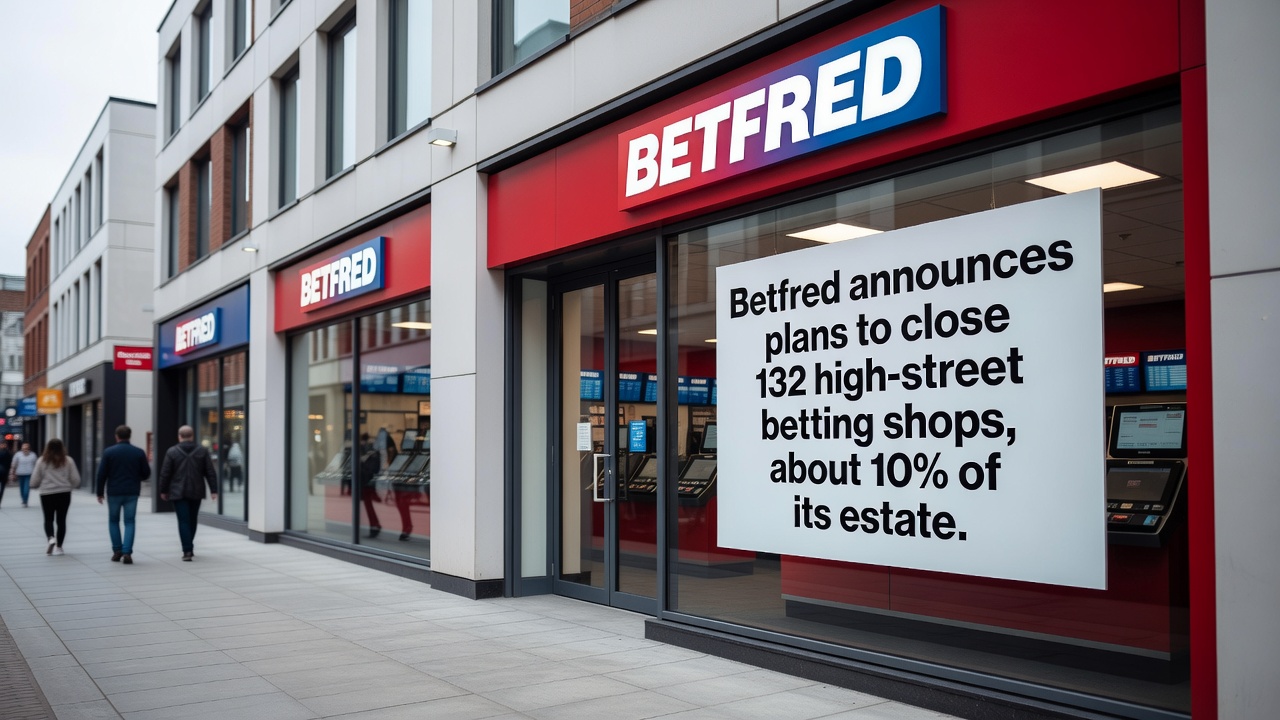
The regulated betting sector across Britain has recorded more than 540 high-street betting shop closures along with approximately 4,500 jobs lost since the previous Budget, and these reductions stem directly from rising taxes, increased operational costs, and the doubling of online gaming duty. The Betting and Gaming Council has compiled the figures, which cover developments through the most recent reporting period ending in August 2026, and the data highlights how these pressures have reshaped physical retail locations nationwide.
Details Behind the Shop Closures
Industry records show that closures have occurred steadily since the Budget changes took effect, while operators have cited higher tax burdens as a primary driver alongside elevated energy prices and staffing expenses. Multiple chains have reduced their footprints in towns and cities, and some locations that once operated daily now stand vacant or have been repurposed. Those who track sector trends note that smaller independent shops have faced particular difficulty maintaining viability under the new duty rates, whereas larger groups have consolidated operations to preserve remaining outlets.
Employment Reductions Across Regions
Around 4,500 positions tied to high-street betting have disappeared during the same timeframe, and many of these roles involved customer-facing staff who handled bets, managed premises, and supported local communities. Redundancies have taken place in both urban centers and regional high streets, while some workers have transitioned to other sectors or accepted part-time arrangements where available. Data from the Betting and Gaming Council indicates that the job losses represent a direct consequence of reduced shop numbers rather than efficiency drives alone, and further analysis reveals that cumulative payroll reductions have reached several million pounds in annual wages.
Warnings Issued by the Betting and Gaming Council
The Betting and Gaming Council has stated that additional tax increases, including any rises applied to online sports betting, would accelerate further closures and job reductions while simultaneously limiting new investment in technology and responsible gambling tools. Council representatives have pointed out that higher duties create price advantages for unregulated offshore operators, and they have documented cases where customers migrate toward black-market platforms when legal options become less competitive. According to their analysis, the sector currently contributes substantial tax revenue to the Treasury, supports thousands of supply-chain businesses, and funds sports through levy payments, yet these contributions risk erosion if cost pressures intensify.
One industry observer who reviewed the latest closure statistics remarked that the pattern resembles earlier periods of duty adjustment when similar contractions occurred, and the current situation builds on those precedents with added complexity from the doubled online gaming duty. Figures released by the Betting and Gaming Council show that total sector employment has declined measurably, and investment plans for shop refurbishments or digital upgrades have been scaled back in several instances.
Economic Role of the Regulated Sector
Britain's regulated betting industry generates direct tax payments, employs staff across retail and online channels, and channels funds into horse racing and other sports through established levy mechanisms. These contributions have remained consistent even amid the recent adjustments, and government accounts reflect the sector's role in broader fiscal planning. The Betting and Gaming Council has compiled evidence that demonstrates how regulated operators maintain standards for player protection and anti-money-laundering checks, whereas unregulated alternatives operate without equivalent oversight.
Outlook for Additional Tax Measures
Further duty increases on online sports betting remain under discussion in policy circles, and the Betting and Gaming Council has outlined scenarios in which such changes would compound existing challenges. Their statements emphasize that each incremental rise in costs correlates with accelerated shop closures and employment reductions, while black-market activity gains ground when price differentials widen. Reports prepared by the organization detail how investment in safer gambling initiatives and community programs could face constraints if revenue streams tighten, and they have shared these projections with policymakers for consideration during upcoming fiscal reviews.
Conclusion
The documented loss of more than 540 betting shops and 4,500 associated jobs since the previous Budget illustrates the immediate effects of elevated taxes and doubled online gaming duty on Britain's regulated sector. The Betting and Gaming Council continues to track these developments through August 2026, and it maintains that additional tax rises would extend the pattern of closures while shifting activity toward unregulated channels. The sector's established contributions to employment, taxation, and sports funding remain part of the current economic landscape, and stakeholders monitor policy decisions that may influence future stability.